Article · Rebates
ACT energy rebates: what help can I get?
On this page
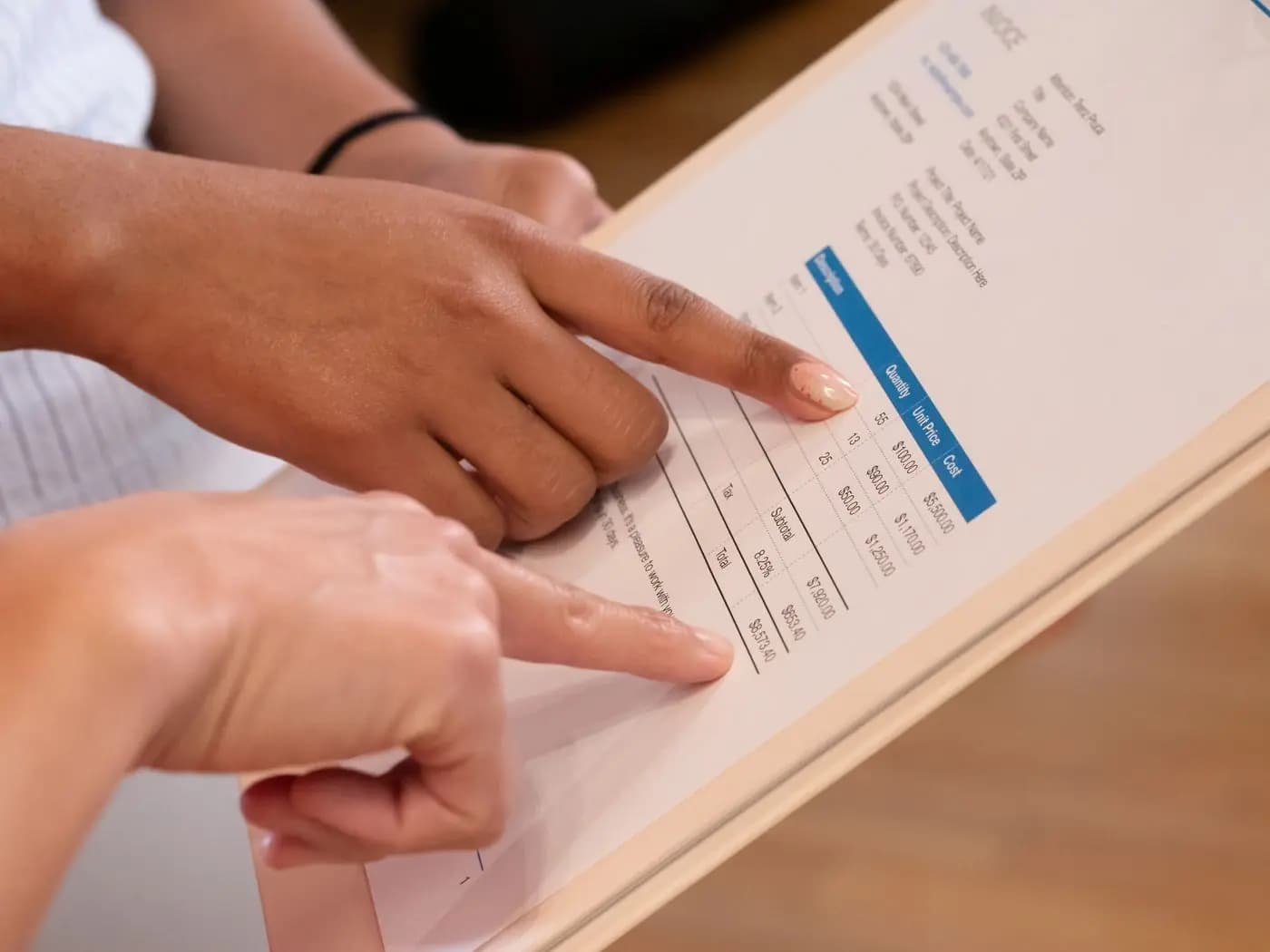
For an upgrade, check what you must pay when the work is done as well as the eventual cost. A later rebate can reduce that cost while still leaving you with an invoice to fund first. If that is the obstacle, raise it before accepting a quote.
Have your latest bill and concession card beside you. If the problem is a heater or hot-water system, also write down what needs replacing and whether you can pay for the work before a rebate arrives. That will help you choose the right route below.
Which help should I check first?
| Your immediate problem | Where to start |
|---|---|
| An energy bill is difficult to pay | Contact your retailer about payment support and check the ACT bill rebate. |
| You need to replace a heater or hot-water system | Check upgrade rebate eligibility and approval before accepting the quote. |
| You want to replace all gas appliances but cannot afford the work | Ask Care Financial about the assessed Access to Electric pathway. |
These routes have different eligibility tests. The bill rebate is tied to your concession card and electricity account. Upgrade programs also look at your home, and some involve an assessment.
What energy bill rebate can I get in the ACT?
The Electricity, Gas and Water Rebate is $800 for a fully eligible 2026–27 financial year, from 1 July 2026 to 30 June 2027. It is credited to your electricity account using daily rates that differ between summer and winter. One bill will show the amount for the days you qualify, rather than the whole annual amount.
You must be the primary holder of an accepted card, and your name and address must match the electricity account for your main home. Accepted cards are a Pensioner Concession Card, Low Income Health Care Card, Health Care Card, ACT Services Access Card, or a qualifying Veteran Gold Card marked Prisoner of War, War Widow or Totally Permanently Incapacitated. A Commonwealth Seniors Health Card does not qualify.
Apply through your energy provider. If you hold a Health Care Card or Low Income Health Care Card, apply again when a new card is issued. Eligible residents of ACT caravan parks or retirement villages who buy electricity through an embedded network use the ACT Revenue Office route. That means the site or building has a shared electricity supply and its operator may bill you.
Check that the name and address on your card match your electricity account. If the account is with us, we can help you check those details and the application route. If another retailer sends your bill, apply through that retailer. An embedded-network account follows the separate route above.
If your ActewAGL bill is difficult to pay, contact us while you check eligibility. Our Staying Connected program (opens in a new tab) can help you work through payment options. If you’re with another retailer, ask its hardship team about support for your account.
Has the federal energy bill rebate ended?
Yes. The Australian Government’s Energy Bill Relief Fund ended on 31 December 2025. It is separate from the ACT’s Electricity, Gas and Water Rebate. Check your eligibility for that continuing ACT support rather than including another federal payment in your household budget. Check the federal program’s status (opens in a new tab).
How much will a home upgrade rebate save me?
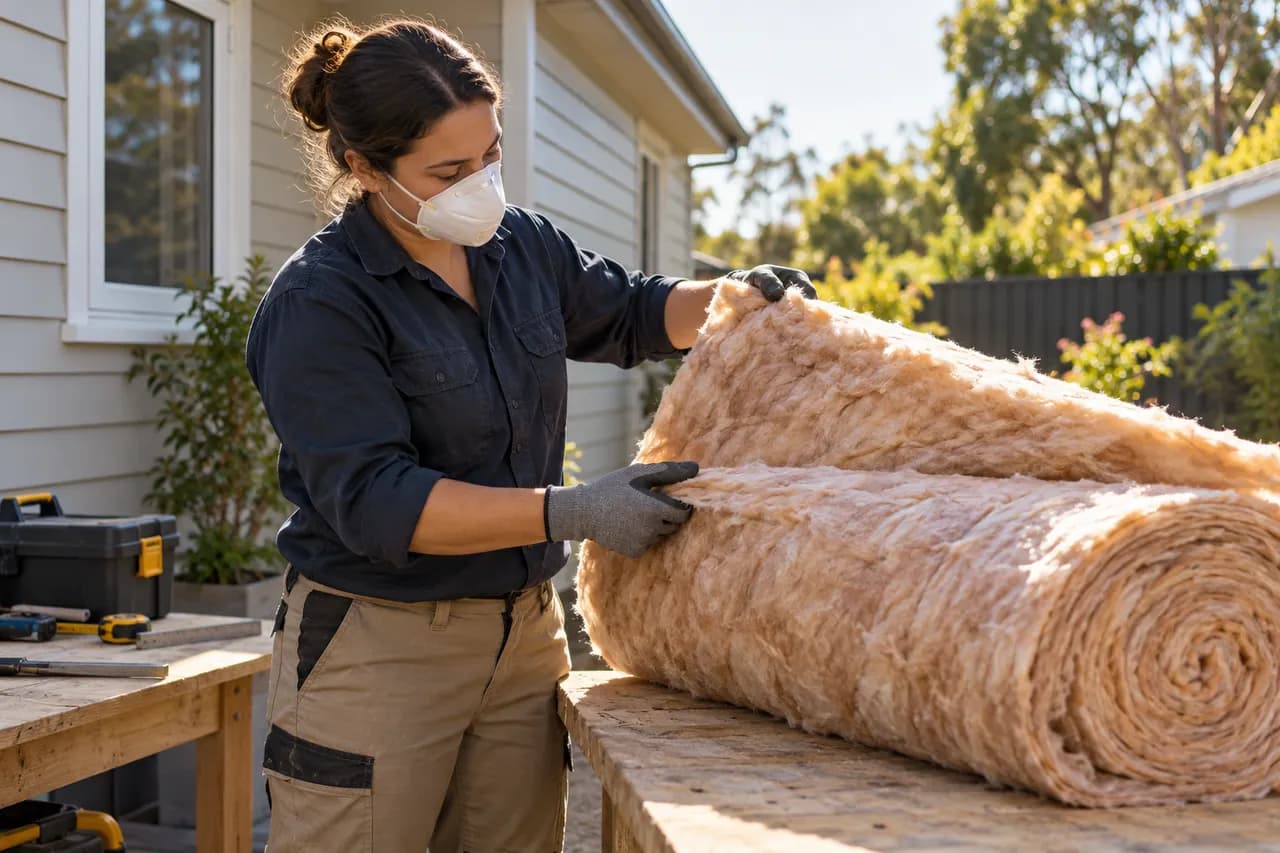
Home Energy Support has two separate categories. Eligible homeowners can receive up to 50% of the supply and installation cost of rooftop solar, capped at $2,500. A second category provides up to 50%, capped at $2,500, for eligible heating and cooling, hot water, electric cooking and ceiling insulation. The combined maximum is $5,000.
The second cap is shared across those upgrades. Replacing a heater and a hot-water system does not create two new $2,500 allowances.
Illustrative example only. Suppose an approved upgrade in the second category has an eligible supply and installation cost of $6,000, with no other discounts or costs. Half is $3,000, but the category cap limits the rebate to $2,500. The remaining cost is $3,500. This assumes the full category allowance is available.
| Example quote | Amount |
|---|---|
| Approved eligible supply and installation cost | $6,000 |
| Rebate after applying the category cap | −$2,500 |
| Remaining cost after reimbursement | $3,500 |
| Money paid first on the rebate-only route | $6,000 |
On the rebate-only route, you pay for installation first, then claim the approved rebate. Get approval before accepting the quote. If that upfront payment would be difficult, ask about the rebate-and-loan route before committing.
Who qualifies for the ACT home upgrade rebate?
You need to own and live in an eligible existing ACT home and attend the required Everyday Climate Choices workshop. Accepted cards are a Pensioner Concession Card issued by Services Australia or the Department of Veterans’ Affairs (DVA), a DVA Gold Card or a Services Australia Health Care Card. A Commonwealth Seniors Health Card is excluded.
Use the unimproved land value on your rates notice. The threshold is $750,000 for the program’s eligible house and townhouse categories, or $300,000 for unit-titled multi-storey apartments, in an eligible year from 2022. Some unit-titled properties use their share of the land value, based on unit entitlement. The test uses assessed land value, rather than the home’s sale price.
Before booking work, use the Home Energy Support application steps (opens in a new tab). Have your card and rates notice ready. Ask the program how much of each rebate category you still have available, so the quote uses the allowance you can actually claim.
What solar rebates are available in the ACT?
Eligible rooftop solar can receive federal support through the Small-scale Renewable Energy Scheme. It creates small-scale technology certificates, often called STCs, which can reduce the cost of an eligible system. Ask the installer to identify any certificate discount already included in the quote. Check the federal solar scheme (opens in a new tab).
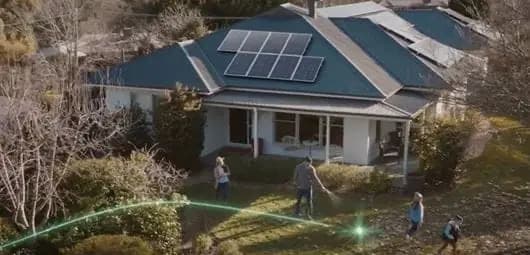
Eligible concession homeowners can also check Home Energy Support’s solar category: up to 50% of eligible supply and installation costs, capped at $2,500. The card, property, approval and remaining-allowance rules still apply. Standard Sustainable Household Scheme loans exclude rooftop solar; eligible Home Energy Support households have a separate zero-interest pathway.
Before accepting a solar quote: ask which support is confirmed, which discounts are already included, and what you must pay before any reimbursement. A solar-panel quote and a battery quote can have different support rules.
How does the ACT Sustainable Household Scheme loan work?
The Sustainable Household Scheme offers eligible new applicants $2,000 to $20,000 at 3% interest, over up to 10 years. Previous participants and households that applied or were approved before 1 July 2026 remain subject to a $15,000 lifetime cap. Earlier borrowing affects the amount still available.
Covered home upgrades include batteries, heating and cooling, eligible hot-water systems, electric stovetops, electric vehicle charging and ceiling insulation. Standard loans do not cover rooftop solar. Eligible Home Energy Support households have a separate zero-interest pathway of up to $10,000, including for solar.
For home upgrades, the participant can be the owner or someone living with the owner. Existing-property and land-value rules, the workshop and the lender’s assessment apply. New builds and homes under construction are excluded. The loan provider checks your ability to repay.
Put the cash contribution, repayments and total interest beside your complete quote. Then check whether those payments fit your budget. Keep any predicted energy savings in a separate calculation until the assumptions have been checked. Use the scheme application steps (opens in a new tab) to establish the finance route.
Is there help if I cannot afford to borrow?
Access to Electric fully funds approved gas-to-electric upgrades and any required ceiling insulation for eligible homeowners in financial hardship. Care Financial assesses applicants. You must own and occupy an existing ACT house or townhouse, meet the National Rental Affordability Scheme income limits and land-value rules, and own no other properties. Apartments and new builds are excluded. Earlier financial support through Home Energy Support or the Sustainable Household Scheme also excludes applicants under the published guidelines.
Participants agree to replace all gas appliances and permanently disconnect gas. Contact Care Financial for an assessment before arranging work. Read the eligibility and assessment steps (opens in a new tab).
What if I rent or live with the owner?
Check bill support using your own electricity account and card details. The Home Energy Efficiency Program offers free assessments and help with draught-proofing to eligible renters and homeowners. You must meet the National Rental Affordability Scheme income limits, or hold a Centrelink Pensioner Concession Card, Low Income Health Care Card or Veterans’ Affairs Pensioner Concession Card. Check the free assessment and contact details (opens in a new tab).
Home Energy Support rebates require ownership and occupancy. Someone living with the owner can check the Sustainable Household Scheme’s separate participant rules. Involve the owner before arranging permanent changes.
Do ACT upgrade rebates apply if I live in Queanbeyan?
ACT home upgrade programs require an eligible ACT property. A home across the border in NSW uses NSW programs, even if its energy retailer also serves Canberra. Check the home’s state or territory before working through eligibility.
Should I check the bill or the support route first?
If the immediate problem is an unexpectedly high bill, check the billing days, usage, rates, reading basis and credits with your retailer while you check support. A missing concession credit and a more expensive plan need different follow-up questions.
If an appliance has failed, tell the program and installer that you need an urgent replacement. Ask which approvals must happen before you accept the quote and what temporary arrangements are possible if approval or installation will take time. Say at the first conversation if you cannot fund the replacement.
Can I combine ACT support with a battery discount?
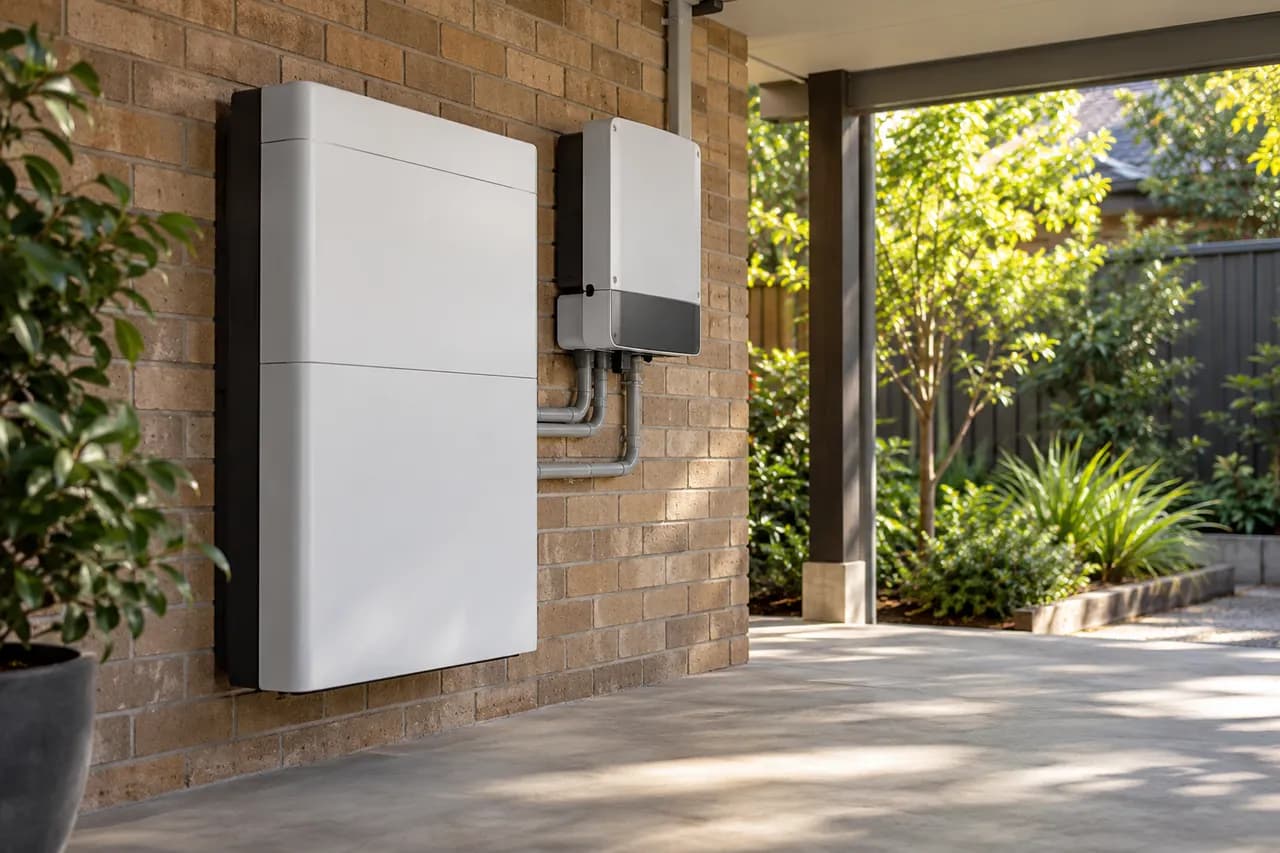
An eligible battery installed with existing or new solar may receive federal support through the Cheaper Home Batteries Program. A battery without solar does not qualify. The ACT Government confirms eligible households can combine federal battery support with Sustainable Household Scheme finance. Ask the installer to show the confirmed discount and the remaining cost separately.
Check the federal battery requirements (opens in a new tab). For any upgrade, leave the first conversation with two figures: the final cost after confirmed support, and the money you must pay before a reimbursement or loan is available.
Related advice: ACT Sustainable Household Scheme: who qualifies and what will I repay? · Gas-to-electric rebates in the ACT: what should I replace first?
Talk to us about ACT rebates and bill support
Start with our concessions and rebates information (opens in a new tab) or payment support (opens in a new tab). For a home upgrade, use our government incentives overview (opens in a new tab) alongside the official application steps above. The program or lender confirms approval before you commit to work.
Call 13 14 93 to ask about a rebate on your ActewAGL account. Have your bill, card and the program name ready. If paying our bill is difficult, contact our Staying Connected team on 1300 138 574 while you check support. If another retailer holds your account, ask its team about the credit or payment arrangement; the public upgrade routes above are also available to eligible households with other retailers.
Sources17
- ACT Government, ‘Access to Electric Program Participant Guidelines’, Climate Choices (n.d.), https://www.climatechoices.act.gov.au/__data/assets/pdf_file/0010/2794501/access-to-electric-participant-guidelines.pdf (opens in a new tab), accessed 12 October 2026.
- ACT Government, ‘Home Energy Efficiency Program’, Climate Choices (n.d.), https://www.climatechoices.act.gov.au/policy-programs/home-energy-efficiency-program (opens in a new tab), accessed 12 October 2026.
- ACT Government, ‘Home Energy Support: Rebates for Homeowners Participant Guidelines’, Climate Choices (October 2025), https://www.climatechoices.act.gov.au/__data/assets/pdf_file/0006/1976595/hesp-homeowners-participant-guidelines.pdf (opens in a new tab), accessed 12 October 2026.
- ACT Government, ‘Home Energy Support: Rebates for Homeowners’, Climate Choices (n.d.), https://www.climatechoices.act.gov.au/policy-programs/home-energy-support-rebates-for-homeowners (opens in a new tab), accessed 12 October 2026.
- ACT Government, ‘Improve Your Home’s Energy Efficiency and Save on Bills’, Our Canberra (21 September 2026), https://www.act.gov.au/our-canberra/latest-news/2026/september/improve-your-homes-energy-efficiency-and-save-on-bills (opens in a new tab), accessed 12 October 2026.
- ACT Government, ‘Sustainable Household Scheme Guidelines for Participants’, Climate Choices (September 2026), https://www.climatechoices.act.gov.au/__data/assets/pdf_file/0010/1861570/Sustainable-Household-Scheme-guidelines-for-participants.pdf (opens in a new tab), accessed 12 October 2026.
- ACT Government, ‘Sustainable Household Scheme’, Climate Choices (n.d.), https://www.climatechoices.act.gov.au/policy-programs/sustainable-household-scheme (opens in a new tab), accessed 13 October 2026.
- ACT Revenue Office, ‘Electricity, Gas and Water Rebate’, ACT Revenue Office (n.d.), https://www.revenue.act.gov.au/cost-of-living-support/electricity-gas-and-water-rebate (opens in a new tab), accessed 12 October 2026.
- ActewAGL, ‘Concessions and Rebates’, ActewAGL (n.d.), https://www.actewagl.com.au/help-and-support/concessions-and-rebates (opens in a new tab), accessed 13 October 2026.
- ActewAGL, ‘Contact Us’, ActewAGL (n.d.), https://www.actewagl.com.au/contact (opens in a new tab), accessed 13 October 2026.
- ActewAGL, ‘Financial Hardship Programs’, ActewAGL (n.d.), https://www.actewagl.com.au/help-and-support/hardship-programs (opens in a new tab), accessed 13 October 2026.
- ActewAGL, ‘Government Incentives’, ActewAGL (n.d.), https://www.actewagl.com.au/for-home/energy-efficient-homes/government-incentives (opens in a new tab), accessed 13 October 2026.
- Australian Energy Regulator, ‘Received a High Bill’, Australian Energy Regulator (n.d.), https://www.energymadeeasy.gov.au/article/received-a-high-bill (opens in a new tab), accessed 13 October 2026.
- Clean Energy Regulator, ‘Small-scale Renewable Energy Scheme’, Clean Energy Regulator (n.d.), https://cer.gov.au/schemes/renewable-energy-target/small-scale-renewable-energy-scheme (opens in a new tab), accessed 12 October 2026.
- Department of Climate Change, Energy, the Environment and Water, ‘Eligibility Information for the Cheaper Home Batteries Program’, DCCEEW (updated 1 May 2026), https://www.dcceew.gov.au/energy/programs/cheaper-home-batteries/eligibility-information (opens in a new tab), accessed 13 October 2026.
- Department of Climate Change, Energy, the Environment and Water, ‘Energy Bill Relief Fund’, energy.gov.au (n.d.), https://www.energy.gov.au/energy-bill-relief-fund (opens in a new tab), accessed 12 October 2026.
- NSW Government, ‘Home Energy Saver’, NSW Climate and Energy Action (updated 7 August 2026), https://www.energy.nsw.gov.au/households/grants-rebates/home-energy-saver (opens in a new tab), accessed 13 October 2026.